
As part of our commitment to personalised and compassionate care within our Adult Eating Disorders services, we are sharing, with permission, a patient‑written narrative that highlights the impact of nature‑based approaches in recovery.
This piece, written by a patient using the service, offers a rare insight into how spending time outdoors became a meaningful therapeutic tool during admission. It shares how nature supported them with grounding, emotional regulation, and reconnection with personal values.
By sharing their personal experience in their own words, we hope to show the creativity within our teams, and the powerful difference simple, individualised and holistic therapies can make for a patient.
Introducing nature into treatment
Nature has always been important to this patient, but this admission marked the first time it became an intentional part of their treatment for an eating disorder. What mattered most for them in this context was the opportunity to reconnect with something grounding and familiar.
The idea was sparked by an Occupational Therapy student, Liss, whose own passion for nature connection helped her recognise how powerful this approach could be. What began as a creative therapeutic suggestion soon became a meaningful and restorative part of our patient’s recovery journey, as you’ll read below, quoted directly from our patient.
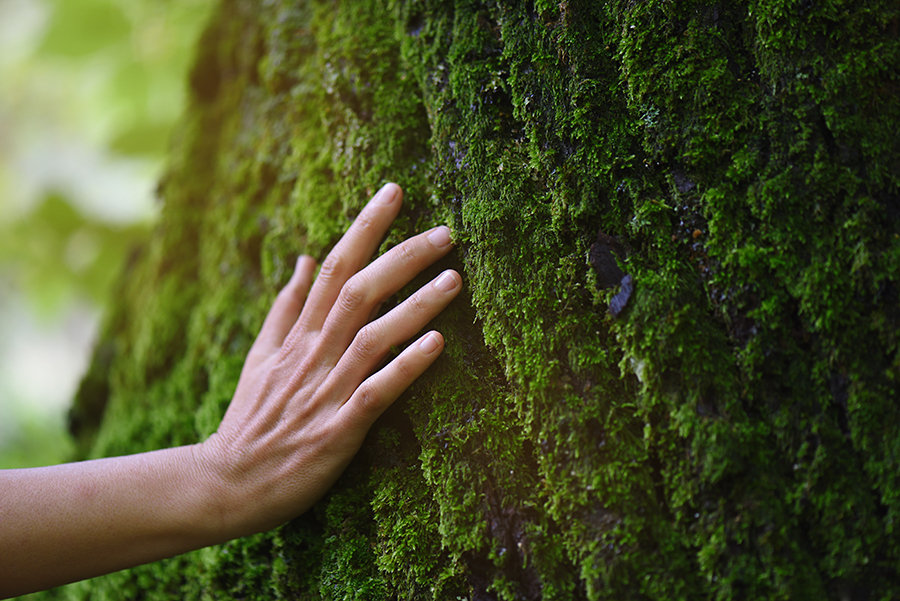
A first-hand account of how nature aided recovery
“The forest trips were never just outings for me – they became an anchor. In a ward environment where everything can feel overwhelming, imposed, or disconnected, those sessions were a moment each week where I could exist in a way that felt safe, and free of expectation. I often found myself counting down: “only three more days until the forest.” It felt like a release — an hour where my body and self could loosen a little. It was a pocket of safety, calm, and steadiness. All states I find very hard to connect with in my day-to-day life, and even more so in a ward environment.
“As someone who values nature and the outdoors, being able to step back into a woodland setting felt like reconnecting with a part of myself I usually lose during illness and admissions. Each time I set foot in nature, it’s as if I remember why I care – about the environment, about the world. It realigns me with my values and morals which, in recovery, is priceless. It helped that Lis was also genuinely connected to the natural world; that sense of shared value made the experience feel even more authentic.
“There is something inherently grounding about being in nature. When standing with an enormous, thousand-year-old tree, for example, I felt a sense of perspective – small in a comforting way, reminded that there are things much bigger than me, things that have endured far more than I can imagine. Nature is reassuring in its resilience. That ancient tree had lived through centuries of war, disaster, regrowth, and change. It still stands. In many ways, it felt like resilience embodied, a reminder of survival and growth that is slow, steady, and ongoing.
“Being outside also gave me a sense of freedom. Feeling trapped is something I often struggle with, and the ward environment can feel confining. But in the forest, I experienced a wider, more open space. That shift eased the feeling of being trapped, not just physically but also internally. Nature has given me room to breathe.
“Each time I returned to the ward after our forest visits, I came back slightly more grounded, slightly more regulated, and slightly more human. Lis has given me a place where my nervous system could settle, where disconnection and overwhelm loosened its grip, and where I could connect without needing to speak or explain anything. I felt safer and calmer in myself, and as a result more able to engage with my treatment.
“These nature-based interventions with Lis have offered me something rare in inpatient settings: a moment of presence, perspective, and connection — both with the world around me and with parts of myself that are otherwise difficult to reach.”